
1. Home
  2. Safety and process

Safety and process

Temporary in duration. Permanent in responsibility.

Every system is chosen for a reason. Every assembly follows a sequence. Decisions are made for how the structure will function once the event is live, not just how it looks during installation.

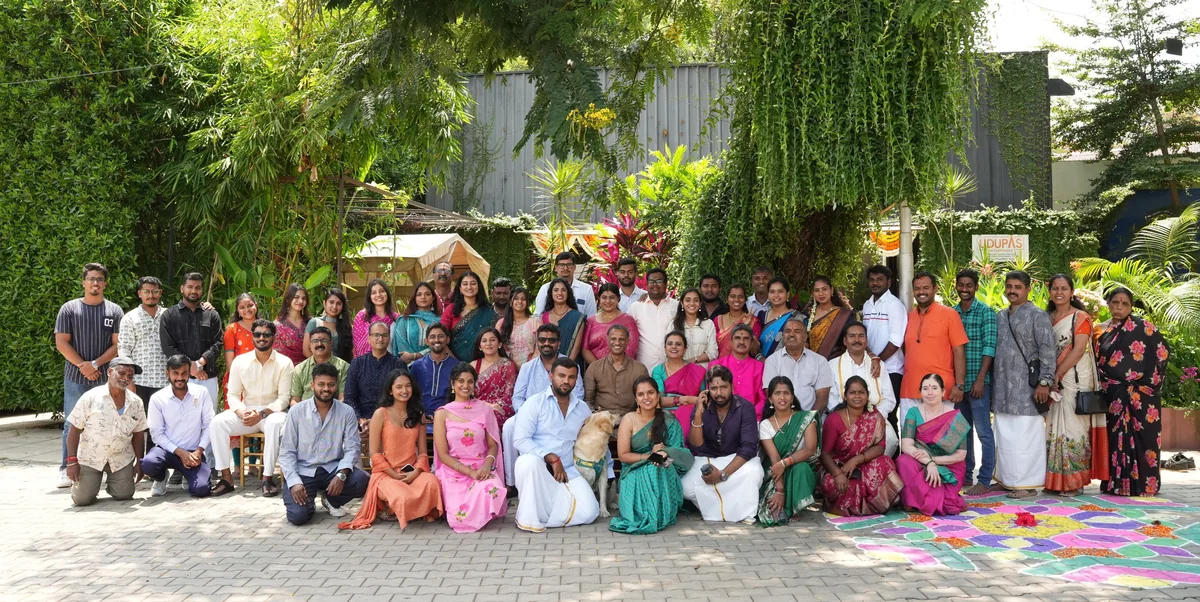
An Udupas on-ground team at a venue.

Four stages

From site visit to sign-off.

Each stage is completed and verified before the next begins.

  1. 01

    Understand the site

    Every project begins with a clear understanding of the environment.

    Evaluate location, scale and ground conditions · Identify structural and operational requirements

  2. 02

    Plan the structure

    Infrastructure is selected to ensure safety and performance.

    Choose appropriate structural systems · Plan layout based on function and stability

  3. 03

    Execute on ground

    Execution is carried out by experienced teams on site.

    Install structures with precision and coordination · Follow defined safety and installation standards

  4. 04

    Verify before use

    Every structure is verified before it is put to use.

    Conduct stability and safety checks · Ensure complete readiness for event operations

Safety and compliance

Six checks on every installation.

They apply whatever the size of the event, from a single pagoda to a festival ground.

  • Safety is planned from the outset.

  • Compliance followed at every stage of installation and execution.

  • Installation is governed by defined systems and clear sequences.

  • Checks and approvals are completed before progression.

  • Teams on ground are trained to work within established safety protocols.

  • Structures are fully secured and verified before they are put to use.

Planning and judgement

Experience replaces guesswork.

This approach develops over time. It comes from repeated work on site: learning what works, recognising what does not, and improving with each project.

  1. 01

    Understanding diverse conditions

    Every site presents its own conditions: space, surface, movement, exposure and duration. These factors guide the selection and preparation of structures.

  2. 02

    Choosing the system

    Systems are chosen for performance, not just appearance. Each element is selected to function as part of a larger whole.

  3. 03

    Order of assembly

    Installation follows a defined sequence. Each step ensures stability before the next begins.

  4. 04

    Experience on site

    Judgement comes from consistent work on the ground. Plans guide the process; experience shapes the outcome.

  5. 05

    Consistent outcomes

    Structures can be built as simple or as complex as required, with control and reliability, even under changing conditions.

Real conditions

How crews respond when sites push back.

Two situations every crew meets sooner or later, and how they were handled.

Working with site constraints

Challenge
The site presented space constraints, limited access and active surroundings, all of which influenced installation.
Approach
Site conditions were assessed early, and structural systems were selected and adapted accordingly. Assembly was planned in stages, with careful material movement and controlled installation to maintain access, safety and stability.
Outcome
Infrastructure was delivered in line with site realities: a stable, reliable structure that performed throughout the event.

Working with time and change

Challenge
The project ran to a fixed timeline, with changing on-ground conditions and evolving event requirements during execution.
Approach
Installation was planned in flexible stages, allowing adjustments without affecting structural stability or safety. Teams prioritised controlled progress, completing and verifying each stage before proceeding.
Outcome
Despite timeline pressure and changing conditions, the structure was completed on schedule, stable, secure and fully ready for use.

Start a project

Tell us the venue, the dates and the crowd.

We will come back with the systems it needs, how long the build takes and what the site has to be ready for.